Damage to Olympic Pipeline Raises Concerns Over Fuel Supply in the Pacific Northwest
Olympic Pipeline Tragedy Sparks Fuel Supply Fears Across Pacific Northwest
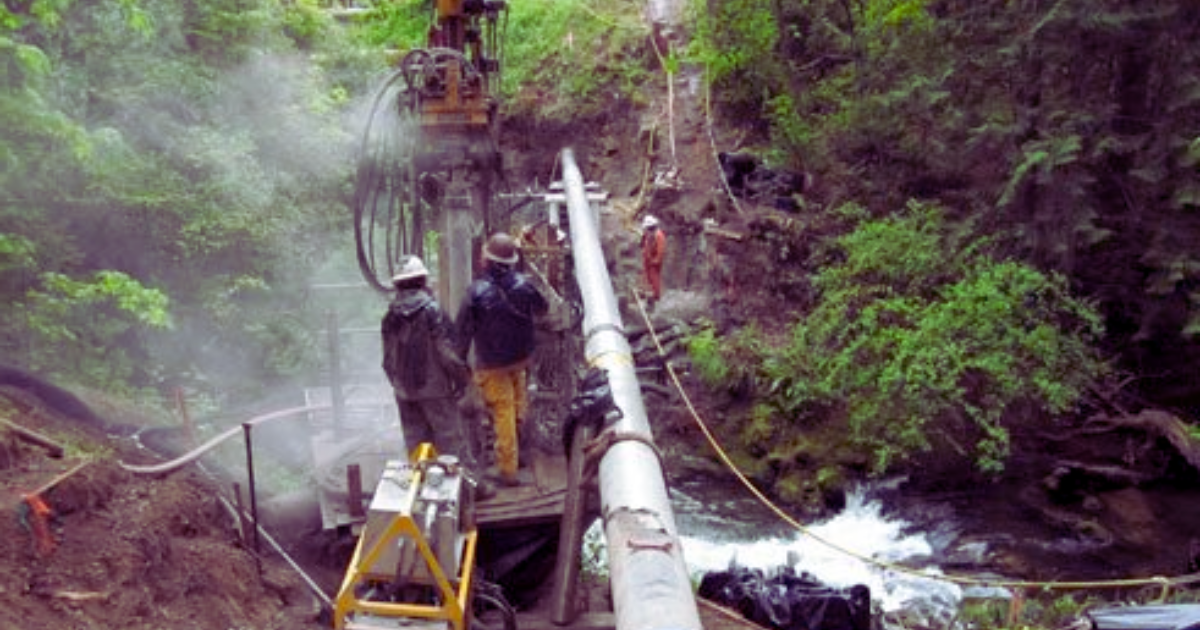
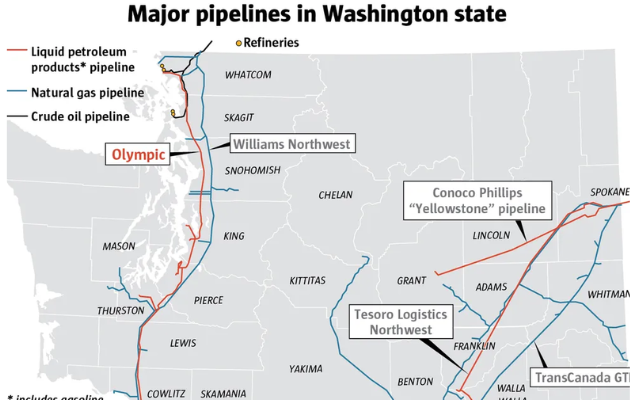
The Olympic Pipeline system, a major 400-mile fuel network that supplies refined petroleum products across the Pacific Northwest, has been temporarily shut down following a recent incident. The pipeline, which plays a crucial role in delivering gasoline, diesel, and jet fuel to Washington and Oregon, developed a suspected leak that forced operators to halt the flow as a safety measure.
According to early reports, the system includes two parallel pipes — one 16 inches wide and the other 20 inches. Both pipelines were shut off after monitoring systems detected irregularities. Sources said a crack in a section of the pipe may be responsible, but the exact location and cause of the leak have not yet been confirmed.
The pipeline’s operator, BP Pipelines North America, Inc. (BP), confirmed on Wednesday that crews have begun excavating the affected area for a full visual inspection. BP officials stated that the company does not yet know how long repairs will take or when the pipeline can be safely restarted. The shutdown will continue until the damaged segment is fully inspected and secured.
Fuel supply concerns for SEA Airport
One of the biggest concerns surrounding the shutdown is its potential impact on Seattle-Tacoma International Airport (SEA Airport). The Olympic Pipeline is a primary source of jet fuel for the airport. Although airport officials say they currently have adequate fuel supplies for the short term, a prolonged shutdown could lead to fuel shortages, delays, or operational challenges for airlines.
Airlines may eventually need to rely on fuel transported by trucks or barges — options that are slower, more expensive, and less efficient.
Environmental and safety considerations
State and federal environmental agencies are monitoring the situation closely. Any leak involving refined petroleum products poses risks to soil, water, and local ecosystems. Investigators are reviewing pressure logs, sensors, soil samples, and other safety data to determine the severity of the incident.
Local authorities have also emphasized that the immediate shutdown of both lines was necessary to prevent any potential environmental damage and ensure public safety.
BP’s official statement
BP Pipelines said that:
- Protecting public safety and the environment is their top priority.
- Specialists are currently assessing the condition of the pipelines.
- The system will remain offline until the source of the problem is fully understood and repaired.
What happens next?
This incident highlights the region’s heavy dependence on the Olympic Pipeline and the vulnerability of its fuel infrastructure. As investigators continue their work, fuel suppliers, airports, and transportation agencies are preparing for possible disruptions.
For now, the Pacific Northwest is watching closely, hoping repairs can be completed quickly — and safely — so the essential flow of fuel can resume without long-term impact.
FAQ
1. What is the Olympic Pipeline tragedy about?
The Olympic Pipeline tragedy refers to the recent shutdown of the pipeline due to a suspected leak and a possible crack in one of the sections. The shutdown has raised major safety and fuel supply concerns in the Pacific Northwest.
2. Could the Olympic Pipeline tragedy affect airport fuel availability?
Yes. SEA Airport relies heavily on this pipeline for jet fuel. A long shutdown could create supply pressure, affecting airline operations and increasing logistical challenges.